
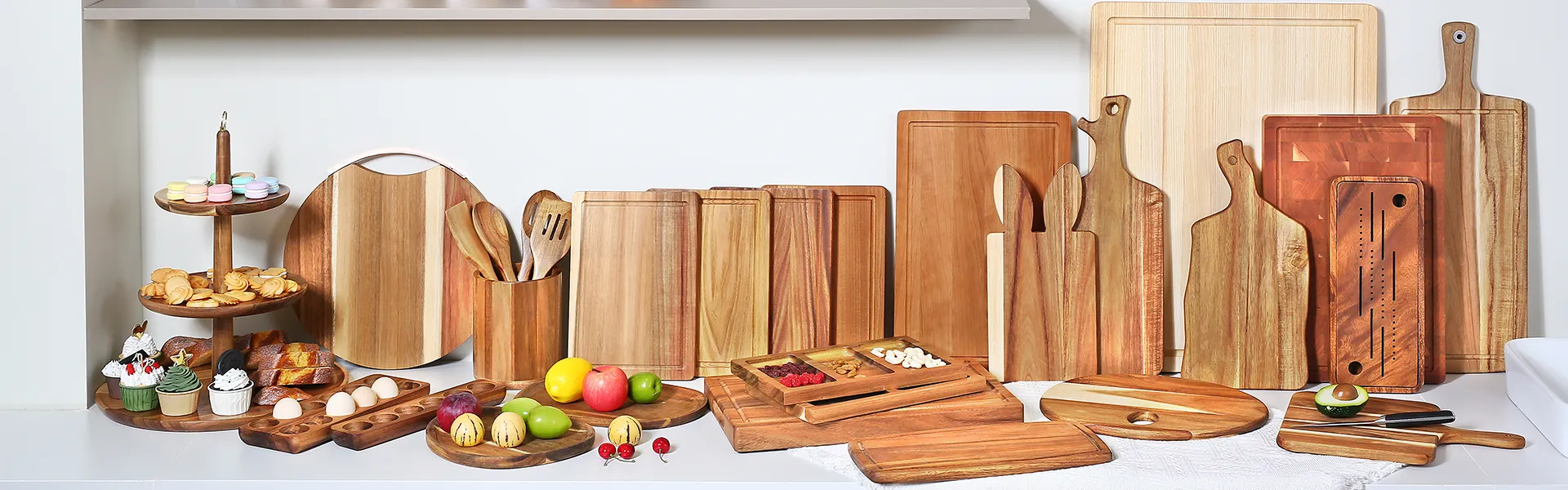
Premium Countertop Caddies Manufacturer for Wholesale Kitchen Storage
Wholesale & OEM/ODM Manufacturing
HBD manufactures bamboo and wood Countertop Caddies for retailers, importers, private-label brands, and kitchenware distributors. Available designs include fixed-compartment organizers, adjustable-divider caddies, carry-handle styles, rotating organizers, and compact models for smaller spaces.
Material, dimensions, compartment layout, surface finish, logo application, and packaging can be specified according to the requirements of each project. Standard configurations are available as a starting point for product selection, while custom designs can be reviewed based on order quantity and production requirements.
HBD operates from Xiamen, China, with bamboo and wood manufacturing resources in Fujian and production capacity in Vietnam. Our team supports product development, manufacturing coordination, and quality checks for wholesale and OEM/ODM orders.
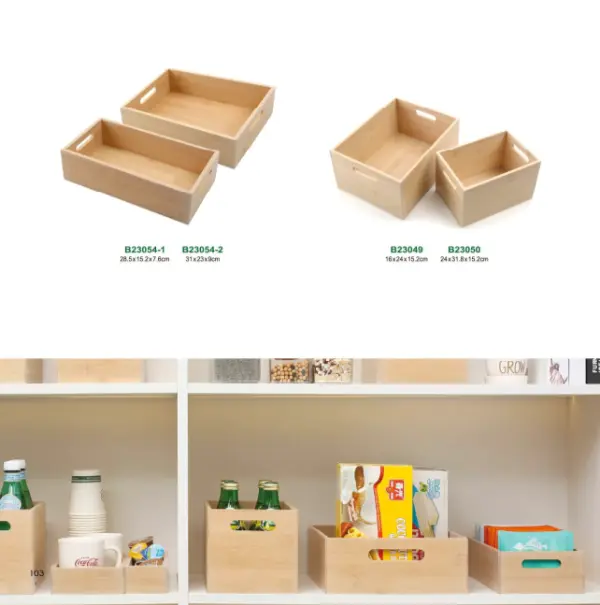
Countertop Caddy Types and Construction Options
The layout of a countertop caddy affects what it can hold, how easily items can be reached, and how much counter space it uses. The following configurations cover common storage needs for kitchens, coffee stations, serving areas, and other shared spaces.
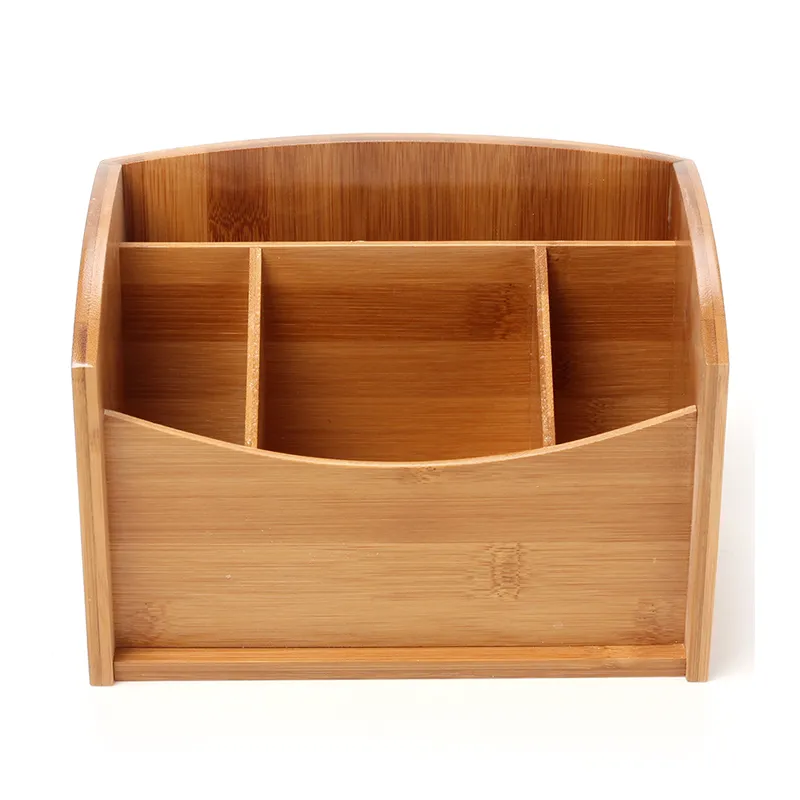
1. Fixed Divider Multi-Grid Caddy
A divided organizer with a fixed internal layout. It works well when the same types of items are stored together, such as condiment packets, tea bags, coffee accessories, or small kitchen tools. The fixed compartments keep items separated during everyday use.
Standard size: 320 × 160 × 120 mm
Layout: 4 fixed compartments
2. Removable-Divider Adjustable Caddy
Removable dividers allow the internal layout to be changed for different product sizes. This option is suitable for mixed storage requirements or product assortments that may vary by season, sales channel, or end use.
Standard size: 340 × 170 × 125 mm
Layout: Adjustable from 2 to 6 sections
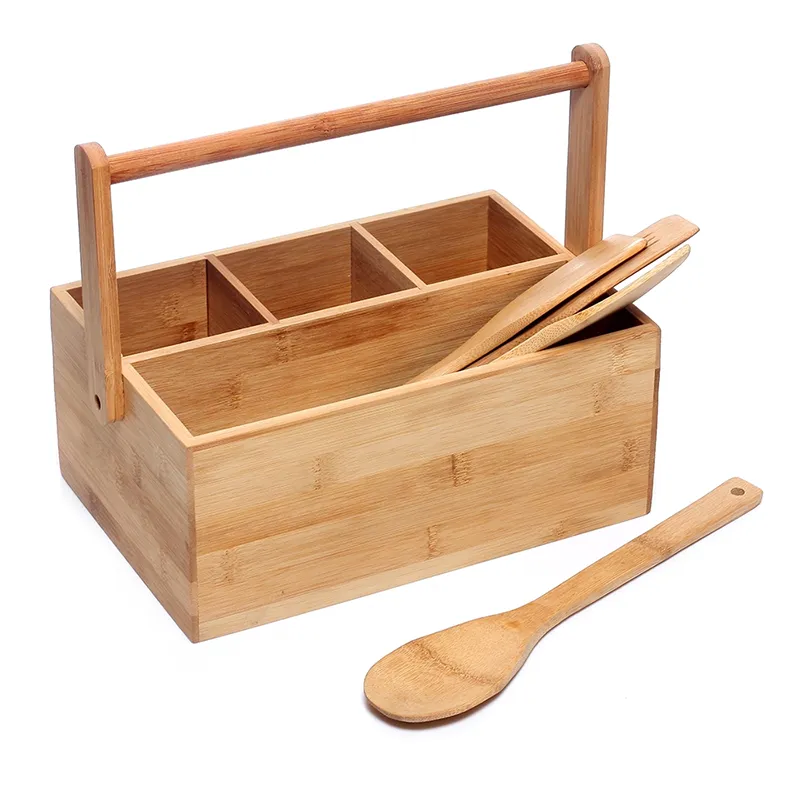
3. Portable Carry-Handle Caddy
Side handles make the caddy easier to move between a kitchen counter, dining table, buffet station, or serving area. The divided interior helps keep frequently used items organized during transport and use.
Standard size: 330 × 165 × 130 mm
Layout: 4 compartments with side handles
4. 360-Degree Rotating Countertop Caddy
A rotating base provides access to different sections without moving the entire organizer. This design can be considered for shared countertops, coffee stations, or other areas where several people need access to stored items.
Standard size: 300 × 300 × 140 mm
Layout: 5 divided sections with rotating base
5. Compact Mini Countertop Caddy
A smaller organizer for limited counter space, office pantries, compact coffee corners, or gift sets. Its three compartments separate small accessories without taking up the space required by a full-size caddy.
Standard size: 200 × 130 × 95 mm
Layout: 3 compact compartments
Available Construction Details
Depending on the selected design, Countertop Caddies can be developed with the following features:
- Fixed or removable internal dividers
- Side handles for carrying
- Rotating swivel base
- Anti-slip rubber feet
- Specified surface finishes and logo applications
Component availability depends on the product structure and must be confirmed during quotation or sample development.
Countertop Caddy Dimensions and Standard Configurations
The table below lists the standard reference dimensions and compartment layouts for the five configurations. These sizes can be used for initial product comparison, packaging planning, and quotation requests.
| Countertop Caddy Type | Reference Dimensions (L × W × H) | Compartment Layout | Typical Application |
|---|---|---|---|
| Fixed Divider Multi-Grid Caddy | 320 × 160 × 120 mm | 4 fixed compartments | Kitchen counters, condiment storage, coffee stations |
| Removable-Divider Adjustable Caddy | 340 × 170 × 125 mm | 2–6 adjustable sections | Mixed-size items, flexible countertop organization |
| Portable Carry-Handle Caddy | 330 × 165 × 130 mm | 4 compartments with side handles | Buffets, serving areas, dining tables |
| 360-Degree Rotating Countertop Caddy | 300 × 300 × 140 mm | 5 divided rotating sections | Shared counters, coffee and beverage stations |
| Compact Mini Countertop Caddy | 200 × 130 × 95 mm | 3 compact compartments | Small kitchens, office pantries, gift sets |
Dimensions are reference specifications in millimeters. Final measurements, tolerances, divider positions, and packaging dimensions should be confirmed against the approved sample or technical drawing.
Bamboo and Wood Materials
Material selection affects appearance, weight, grain pattern, machining requirements, finish, and cost. HBD can review the intended use, target price, and design requirements before confirming a suitable material for a countertop caddy project.
Bamboo
Bamboo has a relatively consistent appearance and is commonly used for kitchen organizers and other household storage products. It is an option for projects that call for a clean, simple look and a bamboo-based material.
Acacia Wood
Acacia offers visible natural grain and variation in color. It can suit countertop caddies intended to coordinate with wood kitchen accessories, serving products, and tabletop collections.
Walnut Wood
Walnut is selected for its darker color and distinctive grain. It may be considered for higher-specification kitchen storage ranges or product collections with a darker wood palette.
Teak Wood
Teak has a recognizable grain and warm color. Material availability, construction suitability, and sourcing requirements should be checked for each proposed design.
Rubberwood
Rubberwood is a hardwood option that can be used for selected household wood products. Its suitability depends on the required construction, finish, appearance, and target cost.
Surface Finish and Color
Available finish directions may include natural, light walnut, dark walnut, rustic weathered, and custom colors referenced to a Pantone specification. Final color and surface appearance should be assessed using a physical sample, since wood grain and material variation can affect the result.
Applications
Countertop Caddies can be specified for different retail categories and end uses. Choosing the layout according to the items being stored helps avoid unnecessary compartments or dimensions that do not fit the intended space.
Residential Kitchens and Coffee Stations
Organize coffee sachets, tea bags, sweeteners, condiments, napkins, and small kitchen accessories. Fixed or adjustable compartments can be selected according to the size and quantity of stored items.
Hospitality and Catering
Carry-handle and divided caddies can be used at buffet counters, beverage stations, and serving areas. For these applications, consider handle construction, stability, cleaning requirements, and the expected frequency of use.
Retail and E-commerce
Bamboo and wood countertop organizers can be included in kitchen storage assortments or sold as individual household accessories. Product dimensions, finish consistency, packaging protection, and shipping efficiency are important when planning a retail listing.
Office Pantries and Break Rooms
Compact and multi-compartment models can keep tea, coffee, sugar packets, stirrers, and small supplies together in shared spaces. The required capacity should be considered before choosing a model.
Private-Label and Promotional Gifts
Custom finishes, logo applications, and gift packaging can be considered for branded kitchenware collections, corporate gifts, or coordinated home accessory sets. Minimum order quantities may apply to custom specifications.
Kitchenware Product Collections
Countertop Caddies can be developed alongside cutting boards, serving trays, kitchen storage products, and other bamboo or wood accessories. Material and finish coordination can help maintain a consistent appearance across a product range.
What to Consider When Sourcing Countertop Caddies
Before placing a wholesale order or starting an OEM project, buyers should confirm how the caddy will be used, which items it needs to hold, and what requirements apply to retail presentation and shipment.
1. Material and Appearance
Confirm the requested bamboo or wood species, visible grain, color range, surface finish, and acceptable natural variation. If several items will be sold as one collection, review the material and finish specifications together.
2. Compartment Layout
Check the dimensions of the actual items to be stored. Compartment width, depth, divider height, and the amount of clearance can affect access and usable capacity. Removable dividers may be appropriate when the stored assortment changes.
3. Handling and Stability
For portable models, review handle attachment and the balance of the loaded caddy. For rotating designs, check the base movement and stability on the intended surface. Anti-slip feet can be considered where appropriate.
4. Production and Quality Checks
Define acceptable requirements for dimensions, joinery, sanding, finish coverage, logo placement, and component assembly. For custom orders, these details should be agreed before the production sample is approved.
5. Packaging and Transportation
Packaging should protect corners, dividers, handles, and surface finishes during transport. Retail projects may also require barcodes, labels, inserts, or branded gift boxes. Confirm carton dimensions and packing quantities before finalizing logistics.
6. Order Quantity and Lead Time
Standard designs and custom-developed products may have different minimum order quantities and production schedules. Material availability, sample approval, logo methods, packaging specifications, and factory capacity can all affect the delivery plan.
OEM and ODM Countertop Caddy Services
HBD supports wholesale supply and custom development of bamboo and wood Countertop Caddies. The scope can range from adapting an existing configuration to reviewing a new design for a private-label product line.
Dimensions and Structure
- Custom outer dimensions and overall height
- Fixed or removable divider systems
- Changes to compartment quantity and size
- Designs with or without handles
- Rotating base options where suitable
Logo and Surface Finish
- Laser-engraved logos
- Hot-stamped branding where suitable
- Specified stain or paint colors
- Finish matching based on approved references
- Branding placement confirmed during sampling
Retail and Export Packaging
- Custom-color gift boxes
- Neutral brown export cartons
- Hang tags and product instructions
- Packaging layouts for retail or e-commerce
- Carton specifications for shipment planning
Product Development Process
A typical project begins with the target dimensions, intended use, material preference, estimated order quantity, and branding requirements. HBD reviews the proposed structure and production feasibility, then confirms the sample and specification details before mass production.
For new designs, technical drawings, reference samples, or clear product images can help reduce uncertainty during development.
Custom sizes, logos, colors, and packaging may require minimum order quantities. Sampling charges, tooling requirements, material availability, and lead times are confirmed according to the project scope.
HBD Manufacturing and Quality Management
HBD is based in Xiamen, China, with bamboo and wood manufacturing resources in Fujian and production capacity in Vietnam. This arrangement supports product development and production planning for customers with different sourcing requirements.
Manufacturing arrangements depend on the product, material, order quantity, and required delivery schedule. The production location and applicable specifications should be confirmed during quotation rather than assumed to be the same for every order.
Material and Component Review
Material selection and incoming components are reviewed against the agreed product requirements. For custom projects, the specified material, dimensions, and component details should be confirmed before production begins.
Production and Finishing
Relevant production checks may cover machining, assembly, sanding, surface finishing, divider fit, handle installation, and rotating-base function, depending on the product design.
Final Inspection
Final inspection criteria can be established for dimensions, appearance, assembly, branding, and packaging. For private-label orders, the approved sample and written specifications provide the basis for checking production consistency.
Export Order Coordination
Product specifications, packing details, carton quantities, and shipment requirements are reviewed as part of order coordination. Any customer-specific inspection or documentation requirements should be raised before the order is confirmed.
Factory Audits and Compliance Documentation
Buyers may need factory audit records or product-related documentation as part of their supplier approval process. HBD can review the requirements for the proposed order and confirm which current documents are available and applicable to the relevant manufacturing site, product, or material.
Factory Audit and Management Documents
Depending on the factory, project, and current documentation status, relevant records may include BSCI, ISO 9001, Sedex 4P, or Costco factory audit documentation. Availability and scope must be confirmed for the specific production arrangement.
Wood Finish and Food-Contact Requirements
If the intended application requires food-contact-related documentation, the applicable requirements should be identified before material and finish selection. FDA- or LFGB-related documentation may be reviewed where available and relevant to the specific product, finish, and intended use. Such documentation should not be assumed to cover every Countertop Caddy or every material option.
Timber Sourcing Requirements
Buyers with specified timber sourcing requirements can discuss whether suitable sourcing options and supporting documents are available. FSC-related sourcing may depend on material availability, order quantity, supplier arrangements, and lead time.
Confirming Requirements Before Ordering
Please provide the destination market, product application, required audit standard, and any customer-specific documentation checklist during the inquiry stage. This allows the applicable scope and availability to be checked before production is scheduled.
Request a Wholesale or OEM Countertop Caddy Quotation
To request pricing for Countertop Caddies, please share the preferred material, dimensions, compartment layout, estimated order quantity, logo requirements, packaging details, and destination market. If you are considering a custom design, a drawing, reference image, or sample description will help us review the project.
HBD can then assess the proposed specifications, confirm suitable manufacturing options, and provide the next steps for sampling and quotation.

-
E-mail