
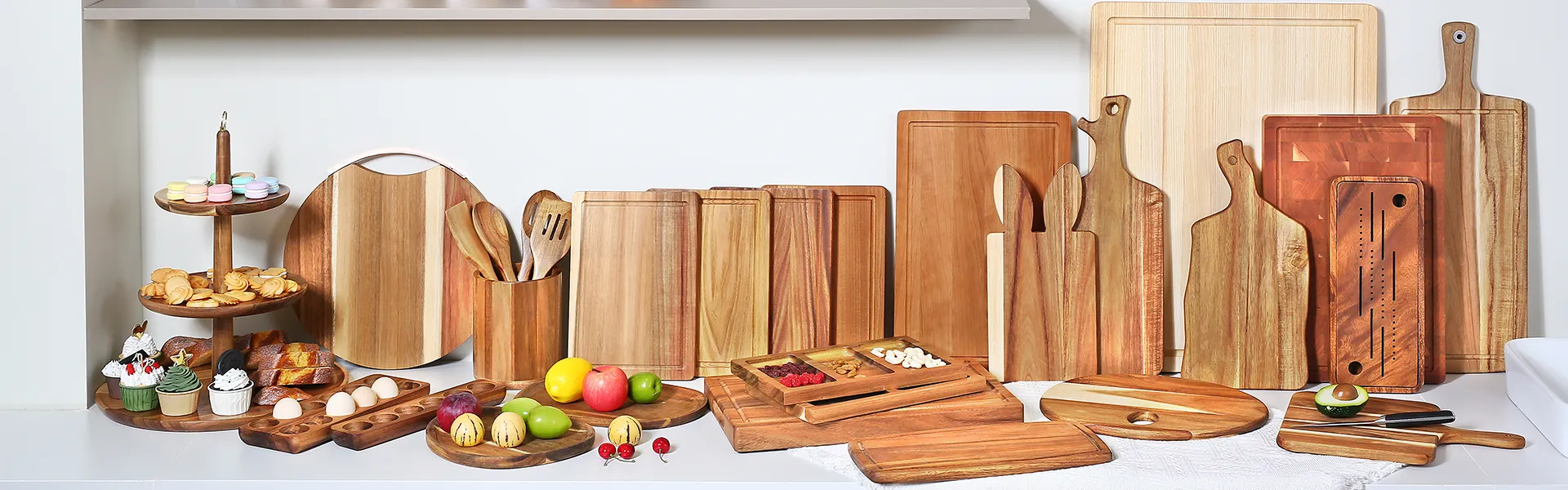
Utensil Sets Factory Direct Wholesale
HBD | Bamboo & Wood Products
HBD develops bamboo and wood kitchen products for homeware retailers, importers, distributors and private-label brands. Our utensil sets projects can be planned around material selection, item configuration, dimensions, surface treatment and retail packaging. With manufacturing resources in China and Vietnam, we support product development and production planning for different market and order requirements.
Project Scope Material and construction options Set composition and product dimensions Logo and surface treatment Retail and export packaging OEM and ODM production support
Set Composition and Product Configuration
Plan the Set Around Its Intended Use
The number and type of utensils determine how a set is used, displayed and packaged. HBD can review the proposed assortment with reference to the product range, retail positioning and packaging format.
Individual item specifications and the final set quantity should be confirmed in the approved product list before sampling.
01
Individual Utensil Selection
Define the utensils included in the set according to the intended kitchen tasks and product concept.
02
Set Quantity
Specify the number of pieces in each set and confirm whether all items use the same material and finish.
03
Coordinated Appearance
Align handle profiles, surface colors, wood tones and other visible details across the assortment.
04
Storage and Presentation
Discuss whether the set requires a holder, storage container, insert or other packaging components.
Material Options for Kitchen Utensils
Material choice affects grain appearance, color, weight, processing and the overall look of a coordinated set. HBD works with bamboo and several wood species, with final suitability assessed against the product design and intended application.
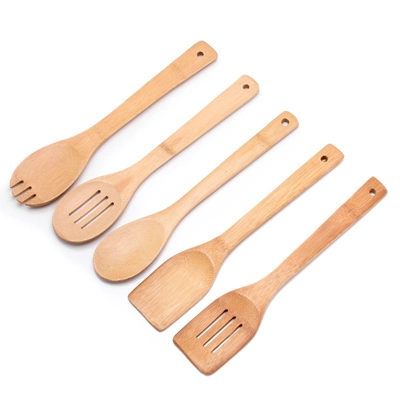
| Bamboo | A renewable material with a relatively consistent appearance, suitable for collections built around a bamboo finish. |
|---|---|
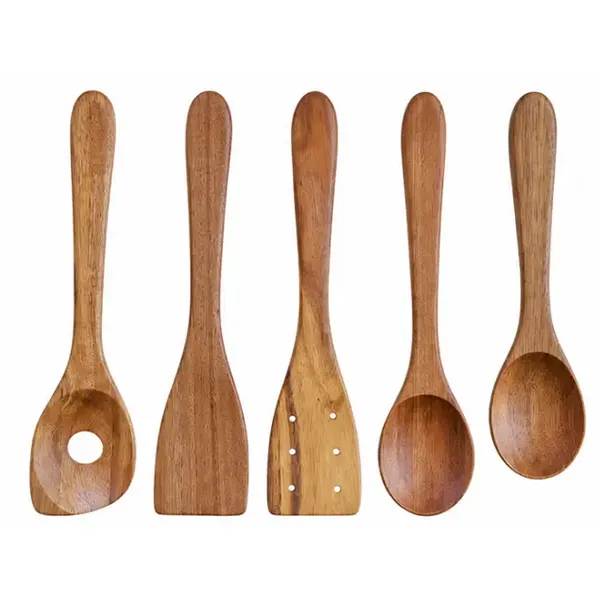
| Acacia Wood | Features varied natural grain and color, offering a distinctive appearance across individual pieces. |
| Walnut Wood | Provides a darker wood tone for coordinated kitchen and tabletop ranges. |
| Teak Wood | Known for its characteristic grain and warm color. Product suitability depends on construction and finish. |
| Rubberwood | A hardwood option with a generally even texture for selected kitchen product designs. |
Material availability is subject to product design, sourcing conditions and order requirements. The selected material and finish should be recorded in the approved specification.
Product Details That Affect Use and Production
For a consistent set, each utensil should be reviewed individually as well as part of the complete assortment. The following details can be defined during product development.
Dimensions and Profile
Overall length, handle dimensions, working-end shape and thickness can be specified for each item.
Surface and Edge Treatment
Surface smoothness, edge finishing and visible transitions should be checked against the approved sample.
Finish and Color
Finish selection should consider the wood species, intended use and applicable food-contact requirements.
Set Coordination
Handle shapes, color tones and design details can be aligned across different pieces in one assortment.
Storage Components
Holders, containers or packaging inserts can be considered when the product concept requires organized storage.
Packaging Configuration
Piece arrangement, protective packing and retail presentation can be reviewed before packaging approval.
Suitable Channels and Product Programs
These products can be developed for different sales channels. Set composition, finish and packaging should reflect the intended market and the way the products will be presented or used.
Homeware and Kitchen Retail
Coordinated kitchen assortments for retailers developing bamboo and wood product ranges.
Importers and Distributors
Wholesale product programs with defined material, item quantity and packaging specifications.
E-commerce and Private Label
Branded assortments with customized set composition, logo application and retail packaging.
Hospitality and Food Service
Selected kitchen and serving applications, subject to product design and the relevant use requirements.
Explore related HBD categories, including Kitchen Tools and Tabletop Accessories and Serving Boards.
Customization for Wholesale and Private Label Orders
HBD works with customers to translate product requirements into defined materials, dimensions, set configurations and packaging specifications. Customization is reviewed according to the design, manufacturing process, material availability and order quantity.
Material Selection Bamboo, acacia wood, walnut wood, teak wood and rubberwood options.
Set Composition Custom item combinations and piece quantities for each set.
Dimensions and Shape Product length, width, thickness, profile and handle details.
Surface Finish Finish and color selection based on material and product requirements.
Logo Application Laser engraving or hot stamping, subject to material and surface suitability.
Retail Packaging Color boxes, neutral export cartons, hang tags and product instruction leaflets.
How HBD Manages Product Development and Production
HBD's Xiamen team connects product development and global sales with manufacturing operations in China and Vietnam. Project requirements are reviewed before sampling and carried through production planning, inspection and export preparation.
01 | DEVELOP
Product and Design Review
Confirm materials, item specifications, set quantity, packaging requirements and cost considerations. Samples are prepared for review and approval.
02 | MAKE
Manufacturing Coordination
Coordinate suitable production resources, manufacturing schedules and quality checkpoints according to the approved specifications.
03 | DELIVER
Inspection and Export Support
Coordinate inspection, packaging confirmation and shipping documentation for the agreed order and destination market.
China & Vietnam Network
Manufacturing Resources for Different Order Requirements
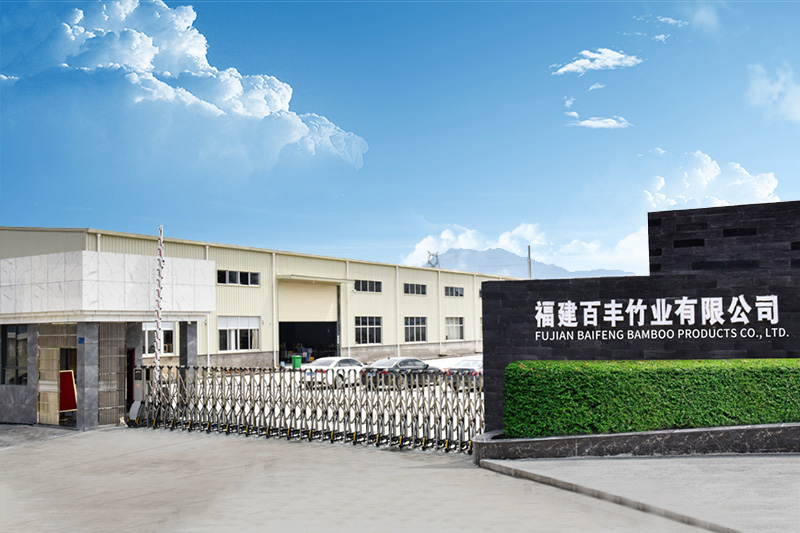
HBD's manufacturing network includes an owned bamboo and wood production base in Fujian, China, and production resources in Vietnam. The two locations provide options for product development, production planning and sourcing arrangements.
Factory selection depends on the material, product construction, order volume, production schedule and destination-market requirements. Country of origin and applicable import duties should be assessed against the actual production process and relevant trade rules.
China Base
30,000 m² Factory area 260+ Staff 40+ Export countries 1,200+ Containers annual productionVietnam Base
30,000 m² Factory area 200+ Staff 20+ Export countries 800+ Containers annual productionQuality Management and Compliance Documentation
Product requirements should be confirmed against the selected material, finish, intended application and destination market. HBD can discuss relevant factory audit records and product-related documentation according to the applicable facility and project scope.
Factory Audits
Available factory audit records may include BSCI, ISO 9001, Sedex 4P and Costco factory audit documentation, subject to the facility and current audit status.
Food-Contact Requirements
FDA- or LFGB-related documentation for applicable wood surface finishes can be discussed. The scope should be checked against the exact material, finish and product.
Responsible Material Sourcing
FSC-related sourcing options may be available for eligible projects, subject to material availability, MOQ and production lead-time conditions.
Specification and Inspection
Approved samples, product specifications, inspection requirements and packaging details can be aligned before mass production.
Frequently Asked Questions
What materials are available for HBD utensil sets?
Material options include bamboo, acacia wood, walnut wood, teak wood and rubberwood. Availability depends on the product design and project requirements.
Can I customize the number of pieces in a set?
Yes. The item combination and quantity can be discussed during product development. The final assortment should be confirmed in the approved product specification.
Can HBD provide custom logos and packaging?
Logo application may include laser engraving or hot stamping, depending on the material and surface. Retail packaging options can include color boxes, hang tags and instruction leaflets.
Can HBD develop products to our drawings or samples?
HBD can review drawings, reference images and physical samples to assess materials, dimensions, construction and production feasibility. Final details are confirmed through sample approval.
Can production be arranged in China or Vietnam?
HBD has manufacturing resources in both countries. The suitable production arrangement depends on the product, material, order quantity, schedule and destination-market requirements.
How can I request a wholesale quotation?
Provide the proposed material, item list, set quantity, dimensions, estimated order volume, logo requirements and packaging details. HBD can review the project and advise on MOQ, sampling and production arrangements.
Discuss Your Utensil Sets Project with HBD
Send your product list, reference images or drawings, material preferences and estimated order quantity. HBD can review the requirements and discuss product development, sampling, customization and manufacturing arrangements.
-
E-mail