
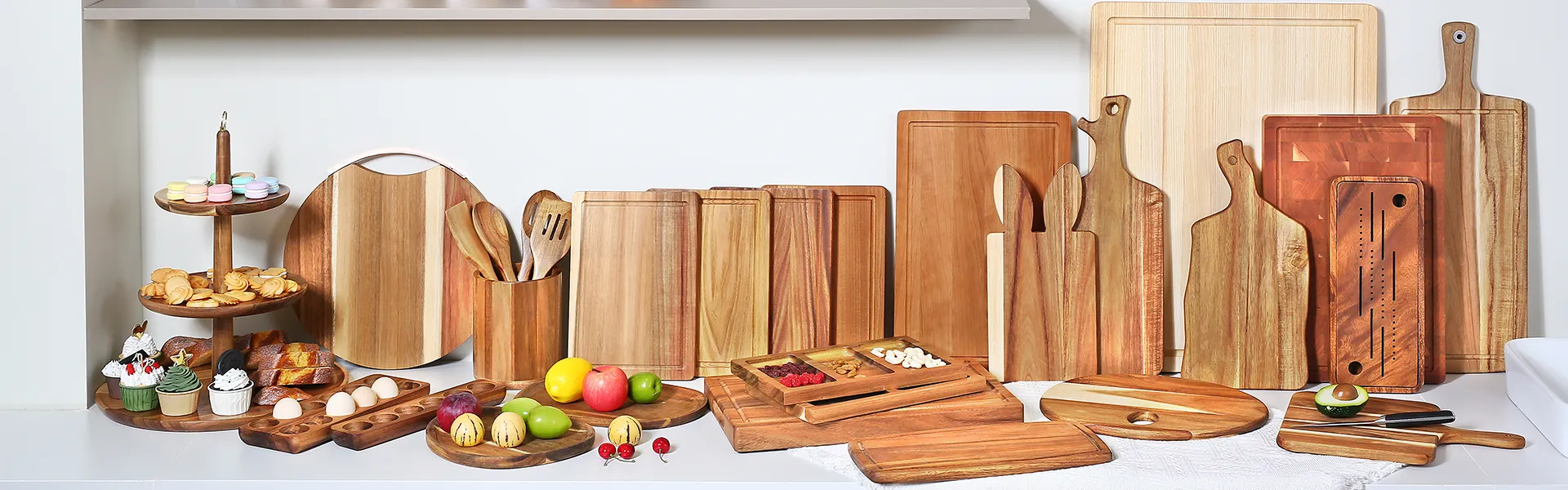
Premium Salt and Sugar Boxes Manufacturer for Global Customers
HBD Bamboo & Wood Products
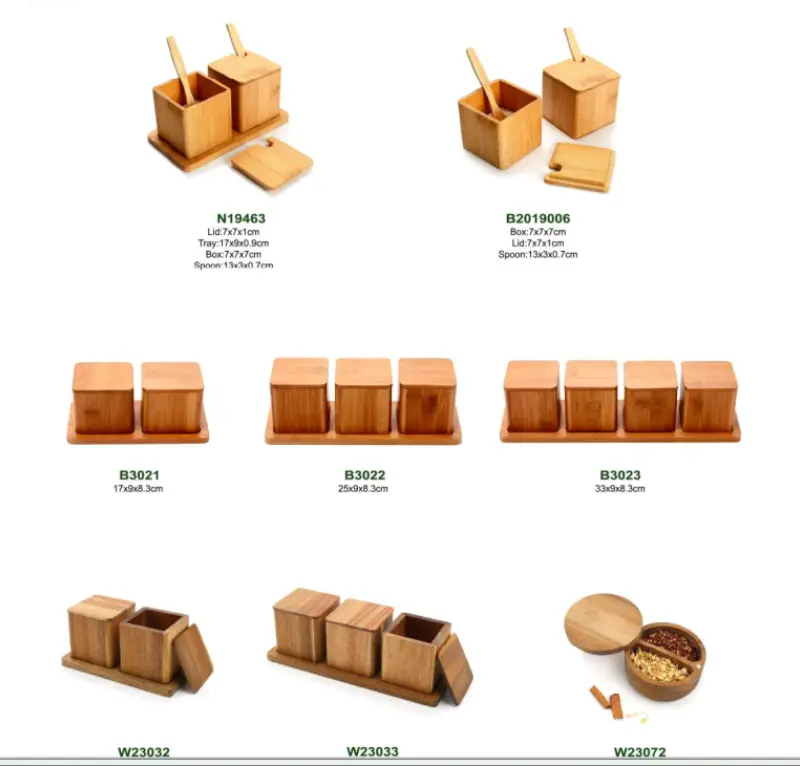
HBD manufactures bamboo and wooden salt and sugar boxes for kitchenware collections, home storage ranges, hospitality applications, and private-label product programs. Available designs include single-compartment and divided dual-compartment layouts, with different lid mechanisms, optional wooden spoons, and a range of surface finishes.
Material options include bamboo, acacia wood, walnut wood, teak wood, and rubberwood. Product dimensions, construction, branding, and packaging can be developed according to project specifications and manufacturing requirements.
- Bamboo
- Acacia Wood
- Walnut Wood
- Teak Wood
- Rubberwood
Product Configurations
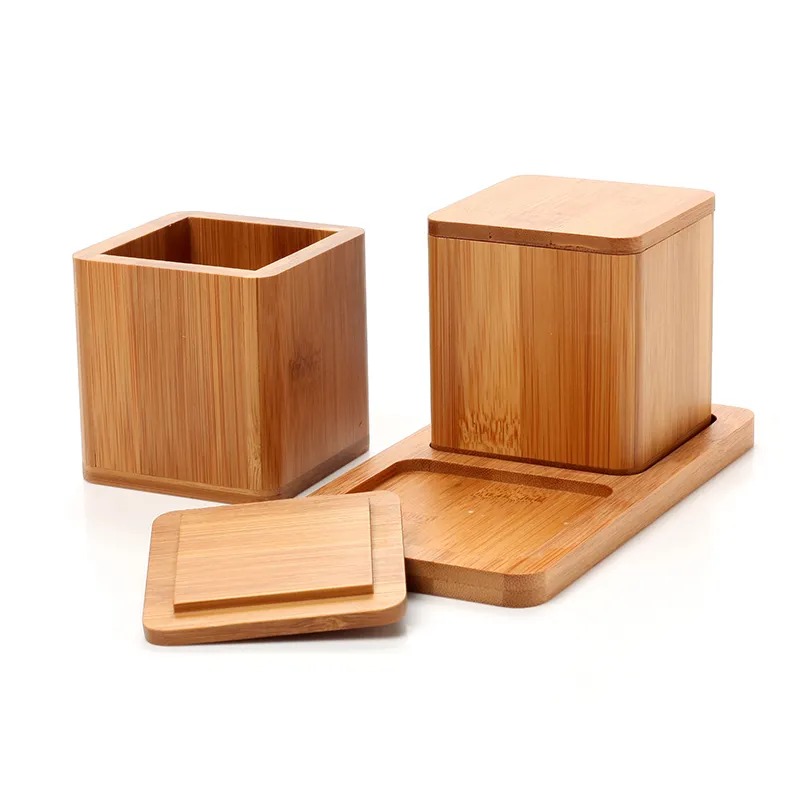
- Single-compartment storage
- Dual-compartment divider
- Magnetic swivel lid
- Friction-fit lid
- Optional matching wooden spoon
- Custom dimensions and surface finishes
01
Key Product Features
Structure and lid design determine how each container opens, stores dry ingredients, and fits into a kitchenware range.
Magnetic Swivel Lid
A rotating lid with a magnetic closure feature, subject to the selected design and construction. The mechanism can be specified during product development.
Dual-Compartment Divider
A divided interior for keeping two dry ingredients separate in one container. The internal layout and usable capacity can be discussed according to the required dimensions.
Matching Wooden Spoon
An optional accessory for portioning salt, sugar, and other dry seasonings. Spoon dimensions and storage arrangements depend on the final design.
Friction-Fit Lid
A fitted lid that stays in place through contact between the lid and container. Fit and clearance should be confirmed through sample evaluation.
Food-Contact Surface Finish
Surface treatments should be selected according to the intended use and applicable food-contact requirements, with supporting documentation reviewed for the specified product.
Custom Construction
Single-cell or divided layouts, optional base trays, and selected lid styles can be considered according to the design, material, and production requirements.
02
Materials and Surface Finishes
Different bamboo and wood materials provide distinct grain patterns, colors, and appearance. The final choice depends on the intended product design, cost requirements, and manufacturing feasibility.
Available Materials
| Material | Material Characteristics | Common Design Considerations |
|---|---|---|
| Bamboo | Distinctive linear grain and a clean, natural appearance. | Suitable for contemporary kitchen storage designs and coordinated bamboo product ranges. |
| Acacia Wood | Visible natural grain with variations in tone and pattern. | Useful for designs that emphasize the natural appearance of solid wood. |
| Walnut Wood | Typically features deeper brown tones and a distinctive grain pattern. | Can be considered for darker or more refined kitchenware collections. |
| Teak Wood | Known for its natural grain and characteristic warm color. | Material availability, construction, and finish requirements should be confirmed for each project. |
| Rubberwood | Generally has a relatively uniform grain and light natural color. | Can accommodate a range of stain colors and painted finishes, subject to sample approval. |
Available Colors and Surface Treatments
Natural Bamboo or Wood Tone
Retains the material's natural visual character.
Light Walnut Stain
A lighter brown finish for coordinated kitchenware ranges.
Dark Walnut Stain
A deeper brown appearance, subject to the selected wood and stain.
Rustic Weathered Stain
A weathered appearance for selected product styles.
Custom colors: Custom stain and paint colors can be discussed using supplied Pantone color references. Actual results may vary depending on the base material, grain, surface preparation, and finishing process. A production sample should be approved for color-sensitive projects.
03
Applications
Salt and sugar boxes can be specified for household use, commercial settings, retail product lines, and customized gift programs.
Household Kitchens and Dining Areas
Compact countertop storage for salt, sugar, and other dry seasonings. Compartment configuration and overall dimensions can be selected to suit available kitchen space.
Hospitality and Catering
Wooden condiment containers for suitable hotel, café, restaurant, and food-service applications, subject to the operating environment and applicable hygiene requirements.
Retail and E-commerce
Bamboo and wooden kitchen accessories for homeware stores, online product listings, and coordinated kitchen storage collections.
Private-Label and Promotional Gifts
Customized products with selected finishes, logo marking, and retail packaging for gift assortments, branded kitchenware, and promotional programs.
04
Product Benefits and Construction Considerations
Bamboo and wooden condiment containers offer a natural material appearance as an alternative to ceramic and plastic designs. Selection should also account for maintenance, cleaning, durability, and the intended storage conditions.
- Natural Material Texture: Bamboo and wood provide distinctive grain patterns and a natural appearance for kitchenware collections.
- Choice of Lid Mechanisms: Magnetic swivel lids and friction-fit lids offer different opening and closing structures.
- Machined Surfaces: Manufacturing specifications can include smooth, burr-free interior and exterior surfaces, with inspection criteria confirmed before production.
- OEM and ODM Customization: Dimensions, compartment layout, logo marking, surface finish, and packaging can be developed according to project requirements.
- Quality Inspection: Checks can cover dimensions, material condition, lid fit, surface finish, logo execution, and packaging, based on the agreed inspection plan.
- Export Production Coordination: Production scheduling, packaging coordination, quality checks, and shipping documentation can be arranged for international orders.
Care and use: The product's suitability for specific storage conditions depends on its construction and surface treatment. Wooden and bamboo products should be maintained according to the supplied care instructions. Food-contact suitability should be verified against the actual product specification and relevant supporting documentation.
05
OEM and ODM Customization Options
HBD can review custom product requirements for wholesale kitchenware and private-label programs. Available options depend on material selection, design complexity, order quantity, and production feasibility.
| Customization Item | Available Options |
|---|---|
| Dimensions | Outer diameter, length, width, overall height, and inner cavity volume. |
| Compartment Structure | Single-cell or dual-compartment divided layout. |
| Lid Mechanism | Magnetic swivel lid or friction-fit fixed lid. |
| Accessories | With or without a matching wooden serving spoon. |
| Base Design | With or without a base tray. |
| Logo and Graphics | Laser engraving or hot stamping, subject to material and design suitability. |
| Color and Finish | Natural tone, light walnut stain, dark walnut stain, rustic weathered stain, or custom Pantone-referenced stain and paint colors. |
| Retail and Export Packaging | Color gift box, neutral brown export carton, hang tags, and product instruction leaflets. |
Information Required for a Quotation
- Required dimensions, technical drawings, or reference images.
- Preferred material and surface finish.
- Single-compartment or dual-compartment configuration.
- Lid mechanism, wooden spoon, and base tray requirements.
- Logo artwork, branding method, and packaging specifications.
- Estimated order quantity and target sales market.
- Required delivery schedule and destination port.
MOQ and lead time: Minimum order quantity restrictions apply to custom-logo and custom-size projects. MOQ, sampling arrangements, production lead time, and final pricing depend on the selected material, construction, finishing process, customization level, and packaging requirements. Detailed specifications help establish a more accurate quotation.
06
Manufacturing and Quality Control
HBD's bamboo and wood manufacturing network includes production resources in China and Vietnam. These facilities support product development, production coordination, quality management, and export fulfillment for different order requirements.
Product Development
Review of material selection, dimensions, construction details, finishes, and packaging requirements before production.
Material and Sample Confirmation
Sample coordination to check product appearance, lid fit, dimensions, logo execution, and finish requirements.
Production Inspection
Inspection checkpoints can be established for material condition, machining quality, surface finish, assembly, and packaging.
Export Coordination
Production scheduling, packing arrangements, inspection coordination, and shipping documentation for export orders.
China and Vietnam production options can be reviewed according to product complexity, production capacity, target delivery schedule, sourcing requirements, and applicable import regulations. Manufacturing origin and lead time should be confirmed for each order.
07
Factory Audits and Compliance Documentation
Documentation availability and applicability should be confirmed for the relevant manufacturing facility, product specification, and destination market.
| Documentation Category | Items for Confirmation |
|---|---|
| Factory Audit Reports | BSCI, ISO 9001, Sedex 4P, and Costco factory audit records, subject to current availability, site scope, and validity. |
| Food-Contact-Related Documentation | FDA- or LFGB-related test reports and supporting documents for the specified material, surface finish, intended use, and applicable requirements. |
| FSC-Related Sourcing | Potential availability for eligible timber materials, subject to sourcing arrangements, applicable documentation, MOQ, and additional production lead time. |
Compliance note: References to FDA or LFGB requirements do not automatically mean that every finished product is certified or compliant. The relevant test reports and supporting documents should be checked against the specific product configuration and intended application. Factory audit records and FSC-related documentation should also be verified for scope, validity, and applicability before order confirmation.
Request a Product Quotation
For wholesale salt and sugar boxes, bamboo kitchen storage products, or customized wooden kitchenware, provide the required dimensions, material, structure, finish, logo, packaging, and estimated order quantity. HBD can review the specifications and confirm available customization options, MOQ, sample arrangements, production lead time, and quotation details.
For projects involving multiple products or production locations, the intended product range, order schedule, and destination market can also be included for review.
Contact HBD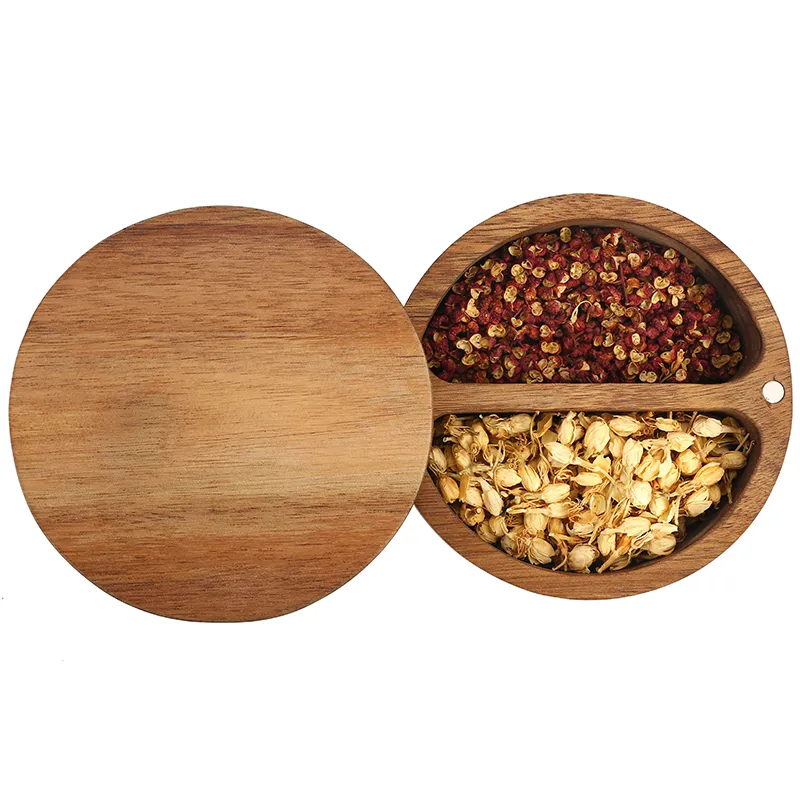

-
E-mail