
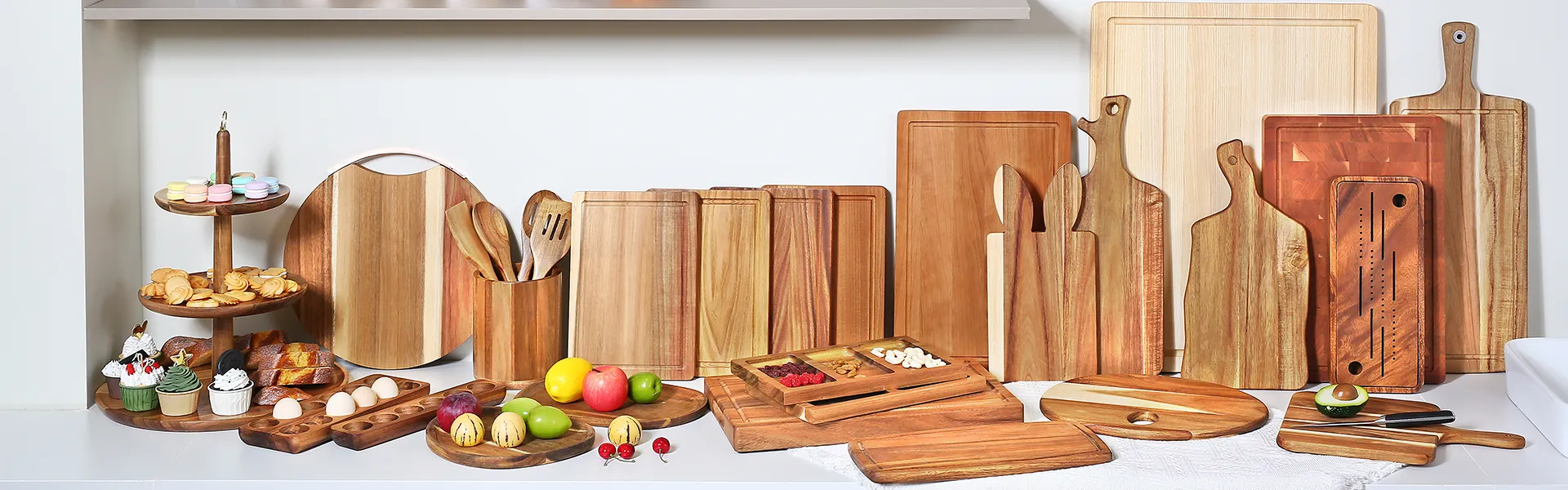
Customized Utensil Organizers for Efficient Kitchen Storage
Utensil organizers keep frequently used cooking tools such as spatulas, ladles, serving spoons and whisks within easy reach. Placed beside the stove or on a preparation counter, they provide an accessible alternative to storing everyday utensils in drawers.
Because these containers remain visible, their appearance is also an important part of product design. Bamboo and acacia wood offer natural grain patterns and a warm finish that work well in different kitchen settings. Shape, opening size, base stability and drainage details should be considered according to the intended use.
Designed for Everyday Access
Keep cooking utensils upright, organized and close to the main food preparation area without taking up unnecessary counter space.
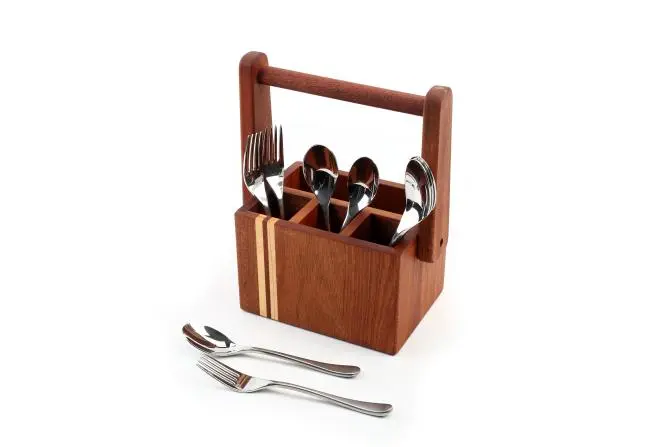
Functional Details of a Countertop Utensil Organizer
A well-designed utensil holder needs to accommodate different tool shapes while remaining stable during daily use. The following construction details can be considered when developing a model.
01
Easy Access to Cooking Tools
An open-top design allows spatulas, ladles and spoons to be stored upright and retrieved without opening a drawer.
02
Drainage and Moisture Management
Depending on the design, drainage holes or a removable drip tray can help manage moisture from washed utensils. The drainage structure should be considered alongside countertop protection.
03
Stable Base Construction
A sufficiently wide and balanced base helps reduce tipping when the holder contains several utensils. Stability depends on the overall dimensions, weight distribution and tool arrangement.
04
Material and Surface Appearance
Bamboo and acacia wood provide distinct grain patterns and natural color variations. Surface finishing should suit the intended kitchen environment and cleaning requirements.
Countertop Utensil Organizer vs. Drawer Storage
Countertop holders and drawer organizers serve different storage purposes. The choice depends mainly on how often the utensils are used, the available kitchen space and whether the tools need to remain visible.
Countertop Utensil Organizer
- Suitable for frequently used spatulas, ladles and cooking spoons
- Keeps tools visible and accessible during food preparation
- Uses space beside the stove or on the worktop
- Can contribute to the visual style of the kitchen
Drawer Storage
- Suitable for less frequently used tools and kitchen accessories
- Keeps utensils out of sight when drawers are closed
- Uses available drawer space rather than countertop area
- Separates items through compartments and dividers
Using Both Storage Types in One Kitchen
These storage solutions are complementary. A countertop holder can accommodate the utensils used throughout the day, while a drawer organizer keeps additional tools and accessories sorted. They can be developed as separate products or coordinated as part of a broader kitchen organization range.
Explore related kitchen storage products for additional organization options.
Product Range and Distribution Applications
Utensil organizers can be developed in different shapes, sizes and finishes to suit various retail and project requirements. Product specifications may vary by sales channel and the intended kitchen setting.
Houseware Retailers
Standard countertop holders in practical shapes and finishes can form part of everyday kitchen storage collections.
Gift and Homeware Shops
Wood grain, coordinated finishes and optional gift packaging can be considered for kitchen-themed gift collections.
Kitchen Specialty Stores
Different holder sizes, compartment layouts and material combinations can address specific cooking and countertop storage needs.
Promotional and Private Label Programs
Logo placement, customized packaging and selected finishes can be discussed for branded kitchen accessories and promotional projects.
Customization Options for Utensil Organizers
Product development can focus on the holder's dimensions, material, internal layout and surface treatment. The available options depend on the selected construction and production requirements.
Material Selection
Bamboo, acacia wood and other suitable wood options can be considered according to the design and material requirements.
Shape and Dimensions
Round, square or other container shapes can be developed to suit utensil length, quantity and available counter space.
Drainage Structure
Drainage holes, removable trays or other moisture-management details can be evaluated for the selected model.
Logo and Packaging
Logo engraving, printing and packaging specifications can be discussed for OEM and private label orders.
Material and food-contact requirements: If the product is intended for direct or indirect food-contact applications, the applicable material specifications and test documentation should be confirmed for the exact product configuration. Testing results for one material or model should not be assumed to cover an entire product range.
Frequently Asked Questions
What utensils can be stored in a countertop utensil organizer?
Common items include spatulas, ladles, cooking spoons, whisks and other frequently used kitchen tools. The suitable utensil length and quantity depend on the holder's height, opening and internal capacity.
Are wooden utensil organizers suitable for use beside a stove?
Wooden holders can be placed on kitchen countertops, but they should be kept away from direct heat, open flames and prolonged exposure to moisture. Care requirements depend on the wood and surface finish.
Can a utensil holder include a drainage tray?
Yes. A removable drip tray or drainage openings can be considered where the product design allows. The structure should make cleaning and moisture management practical.
What materials are available for wooden utensil organizers?
Bamboo and acacia wood are common options for this type of kitchen accessory. The final material selection depends on the required appearance, construction, finish and product specifications.
Can utensil organizers be customized for private label orders?
Custom dimensions, shapes, finishes, logo treatments and packaging can be discussed. The available options depend on the selected model and order requirements.
Develop Your Utensil Organizer Range
Share your preferred material, dimensions, design references and estimated order quantity. HBD can review the product requirements and discuss suitable options for your kitchen storage collection.
Contact HBD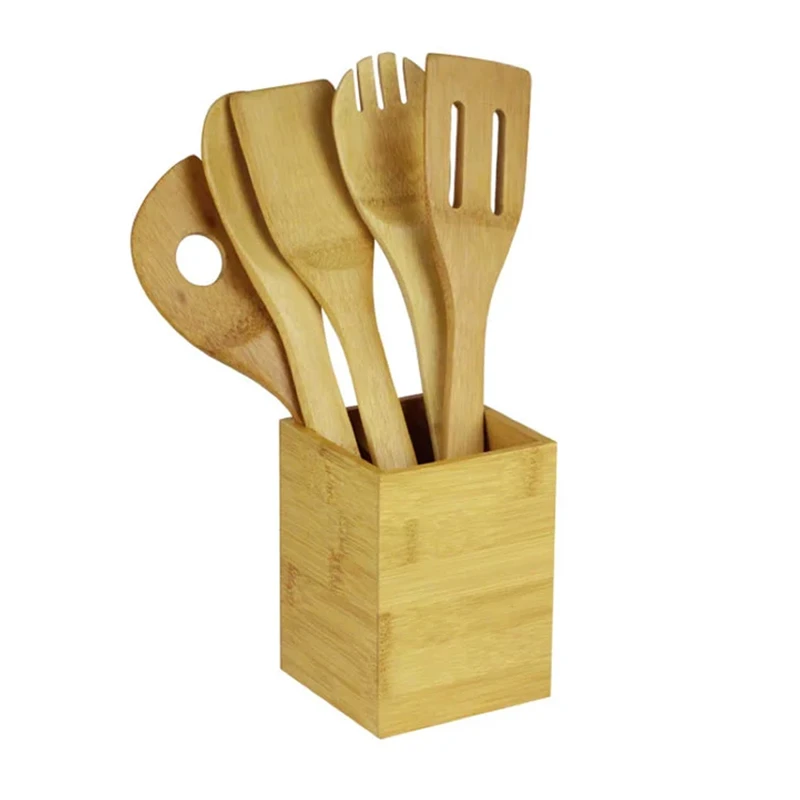

-
E-mail