
Premium Wood Cutting Boards Manufacturer for Bulk Orders
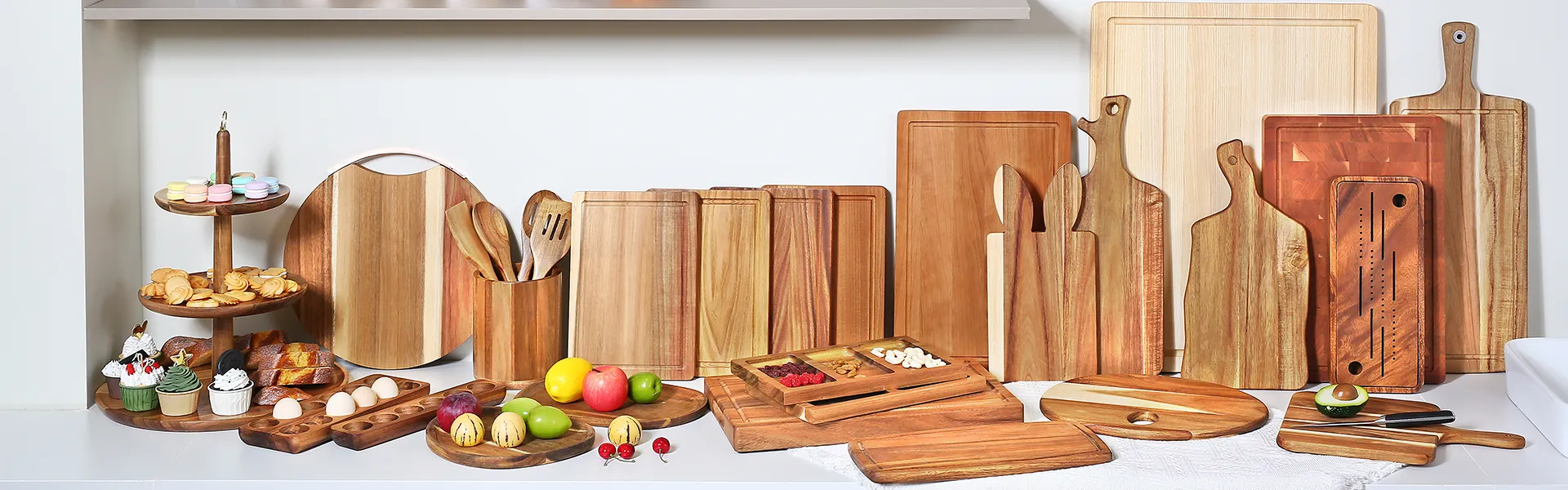
Wood cutting boards are used for everyday food preparation as well as serving. Natural grain gives each board a distinct appearance, while the solid wood construction provides a stable surface for routine kitchen tasks. HBD manufactures wood cutting boards in different shapes, sizes, wood species and finishes for kitchenware ranges, retail programs and hospitality applications.
Available materials include acacia, teak and rubber wood. Board dimensions, edge profiles, surface treatments and logo details can be discussed according to the intended use and product specifications.


Product Features
The material, construction and finish all affect how a cutting board performs in daily use. The following features can be considered when developing a product range:
Natural wood grain Grain patterns and tones vary by wood species and individual boards, giving each piece a slightly different appearance.
Solid construction Wood boards provide a firm, substantial feel during food preparation. Thickness and construction can be adjusted for different applications.
Cutting surface Wood offers a different cutting feel from plastic and other board materials. Surface characteristics depend on the wood species, grain direction and finishing process.
Multiple designs Rectangular, round, paddle-style and other shapes can be developed with different handles, grooves and edge profiles.
Care and maintenance With appropriate cleaning, drying and periodic conditioning, a wood cutting board can remain suitable for regular use over time.
Applications in Kitchens and Food Service
Wood cutting boards can serve more than one purpose in a kitchen. The same product category may include boards designed for food preparation, table presentation or both, depending on the dimensions and construction.
Food Preparation
Suitable for routine preparation tasks such as slicing bread, cutting vegetables and preparing ingredients. Board size and thickness can be selected according to the available workspace.
Serving and Presentation
Larger boards and paddle-style designs can be used to present cheese, bread, snacks and other foods. Surface finish and handle design contribute to the overall presentation.
Home Kitchen Collections
Different wood tones, shapes and sizes make it possible to coordinate cutting boards with other kitchenware and countertop products.
Restaurants and Hospitality
Selected designs can be developed for food preparation or serving in restaurants, cafés and hospitality settings, subject to the requirements of the intended application.
Cleaning and Care Instructions
Proper care helps reduce moisture-related damage, staining and surface wear. The recommended cleaning method may vary with the wood species and finish.
After daily use Wash by hand with mild detergent and water, then wipe or air-dry thoroughly. Avoid leaving the board wet on the countertop.
Food stains and residue Clean the affected area promptly. Use a suitable soft brush or sponge when needed, and avoid harsh cleaning agents that may damage the finish.
Periodic conditioning If the surface becomes dry, apply a suitable food-contact-safe mineral oil or wood conditioner according to the product care instructions.
Cleaning methods to avoid Do not place wood cutting boards in a dishwasher or leave them soaking in water for extended periods. Avoid prolonged exposure to direct heat.
Wood Cutting Board Manufacturing
HBD works with acacia, teak and rubber wood for different cutting board designs. Production processes may include material selection, cutting, shaping, sanding, assembly and surface finishing, depending on the product structure.
In-house tooling supports the development of custom shapes and dimensions. Logo options, including engraving, can also be discussed during product development. Inspection can cover dimensions, surface condition, assembly and finish before packing.
Food-contact requirements should be confirmed for the specific wood material, coating and finished product. Relevant test reports or supporting documents can be reviewed according to the selected product specification.
Order Details and Logistics
Production and packing arrangements depend on the selected design, order quantity, material availability and packaging requirements. The following details can be confirmed during quotation and order review.
Production Lead Time Bulk orders generally require around 60–75 days. The confirmed schedule depends on product specifications and production planning.
Samples Sample arrangements can be discussed before bulk production. Timing depends on design complexity, material preparation and sample requirements.
Mixed Container Orders Different cutting board designs may be considered for mixed orders. Quantity and loading arrangements should be confirmed in advance.
Packaging Standard carton packaging can be adapted with dividers or other protective measures. Custom color boxes and branded packaging are available for discussion.
Frequently Asked Questions
Q: What types of wood are available for cutting boards?
A: HBD works with acacia, teak and rubber wood. The suitable material depends on the intended design, appearance, construction and product requirements.
Q: Can the dimensions and shape be customized?
A: Yes. Dimensions, thickness, outline, handle design and edge details can be discussed according to the product drawing or reference sample.
Q: Can you add a logo to the cutting board?
A: Logo customization, including engraving, can be considered. The available method depends on the wood species, surface treatment and design.
Q: Are the cutting boards suitable for food contact?
A: Food-contact suitability depends on the selected wood, finish and finished product configuration. Specific requirements and supporting test documents should be confirmed for each product.
Q: How should a wood cutting board be maintained?
A: Hand wash it with mild detergent, dry it thoroughly and avoid soaking or dishwasher cleaning. Apply a suitable wood conditioner when the surface becomes dry, following the care instructions.
Q: What is the typical bulk production lead time?
A: The general reference lead time is around 60–75 days. The actual schedule is subject to order quantity, material availability, product design and production arrangements.
Discuss Your Wood Cutting Board Requirements
Share your preferred wood species, dimensions, design references, logo requirements and estimated order quantity. HBD can review the specifications and discuss suitable production and packaging options.
Contact HBD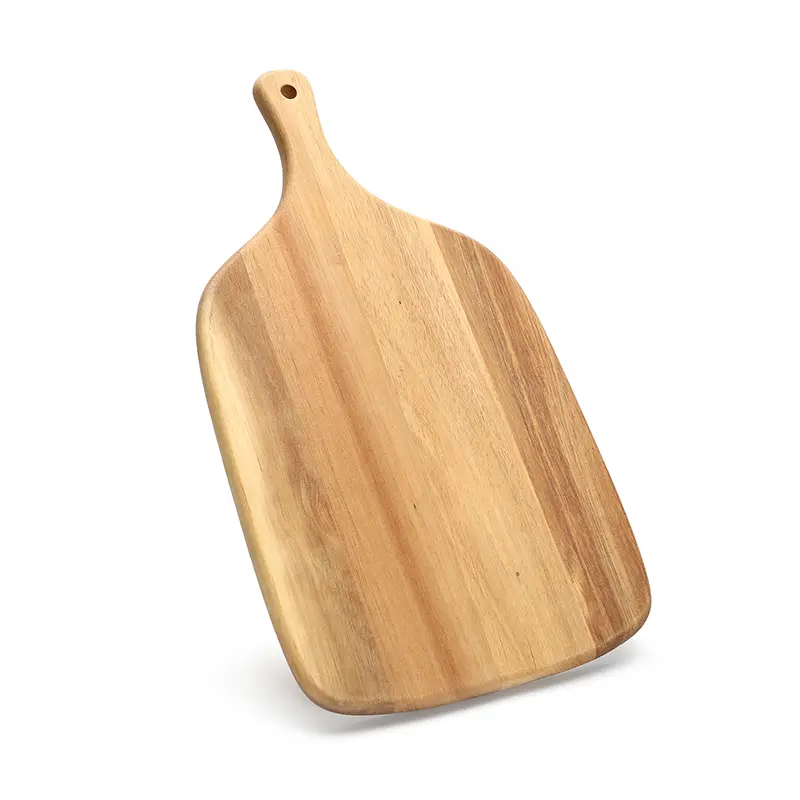
-
E-mail