
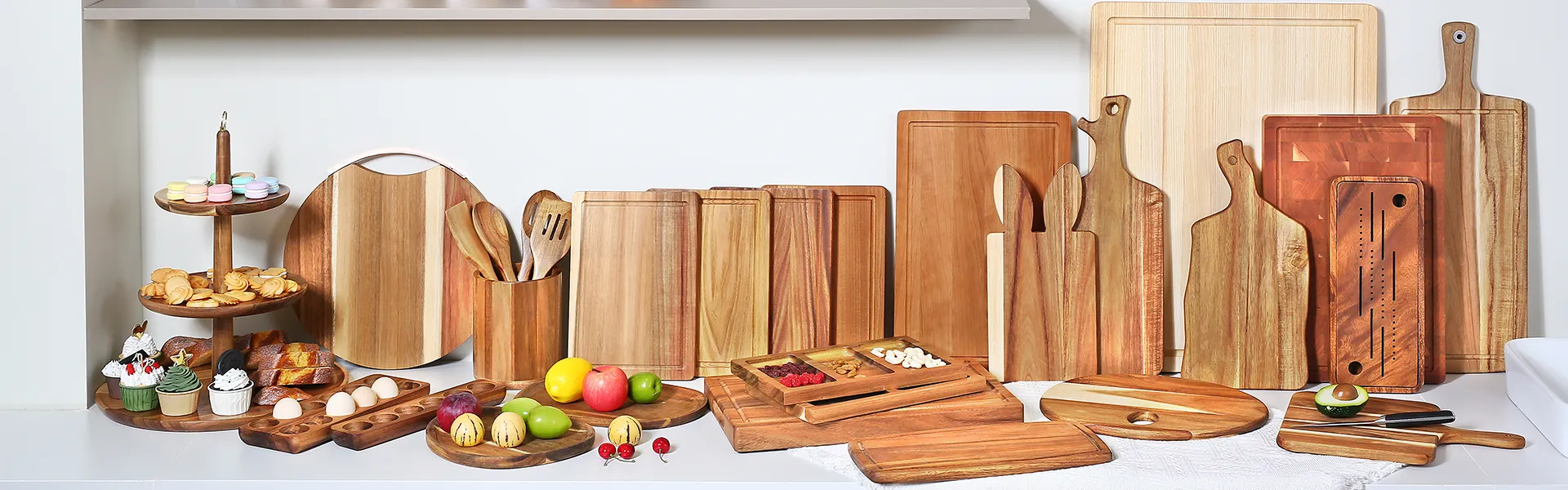
Wholesale Specialty Cutting Boards Direct from the Manufacturer
Specialty Cutting Boards cover a range of designs beyond standard rectangular boards, including end grain construction, mixed wood patterns, wood and resin combinations, and custom-shaped pieces. Differences in grain direction, material selection, and assembly methods give each style its own appearance and production requirements. HBD develops these designs for kitchenware collections, gift ranges, and private-label programs, with options for custom dimensions, wood combinations, and branding.
Materials and Construction Options
The structure of a cutting board affects its appearance, assembly process, and intended use. The following construction types can be considered when developing a specialty board collection.
End Grain Cutting Boards
End grain boards are assembled with the wood fibers oriented vertically at the cutting surface. This structure allows knife edges to enter between the fibers rather than repeatedly cutting across them. Production involves preparing individual wood blocks, arranging the grain, bonding the sections, and leveling the surface. Wood species, block dimensions, and overall thickness can be adjusted to suit different designs.
Edge Grain Cutting Boards
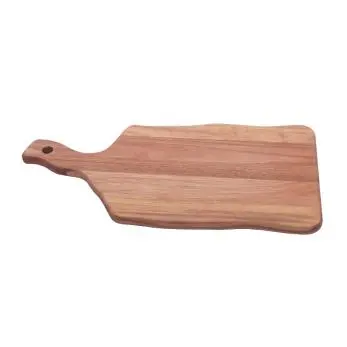
Edge grain boards are made by joining wood strips with their long grain exposed on the surface. They offer a consistent linear pattern and can be produced in a range of dimensions and thicknesses. Strip width, wood species, edge profiles, and board outlines can be specified for different product requirements.
Mixed Wood Designs
Different wood species can be combined to create contrasting colors and grain patterns. Walnut and maple, for example, provide a natural dark-and-light combination. The final appearance depends on the selected species, strip arrangement, and joint alignment. Material compatibility and moisture condition should also be considered during assembly.
Wood and Resin Combinations
Wood and resin boards combine natural grain with colored resin sections. Resin color, placement, and shape can be varied to create different visual effects. These designs require additional control over resin processing, bonding, surface leveling, and finishing. Intended use and applicable food-contact requirements should be confirmed before production.
Comparison of Specialty Cutting Board Constructions
Each construction has different material and manufacturing requirements. This overview helps clarify the main characteristics of each option.
| Construction | Structural Features | Production Considerations |
|---|---|---|
| End Grain | Wood fibers face upward at the cutting surface. | Requires block preparation, precise alignment, and controlled bonding. |
| Edge Grain | Long wood fibers run along the board surface. | Strip dimensions and joint consistency affect the finished appearance. |
| Mixed Wood | Two or more wood tones form a contrasting pattern. | Wood selection and strip arrangement determine the final pattern. |
| Wood and Resin | Natural wood is combined with colored resin sections. | Requires attention to resin processing, bonding, and surface finishing. |
Material selection: Wood species, moisture condition, grain direction, adhesive, and finish should be evaluated together. The final specification depends on the board's construction and intended application.
Quality Control and Manufacturing Process
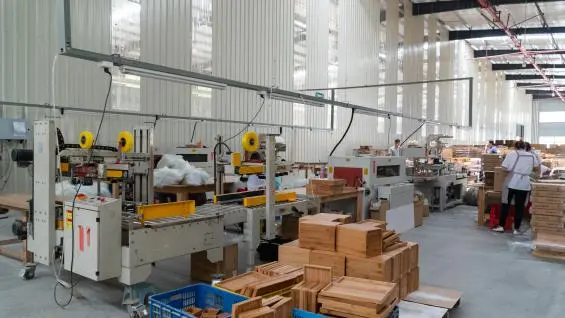
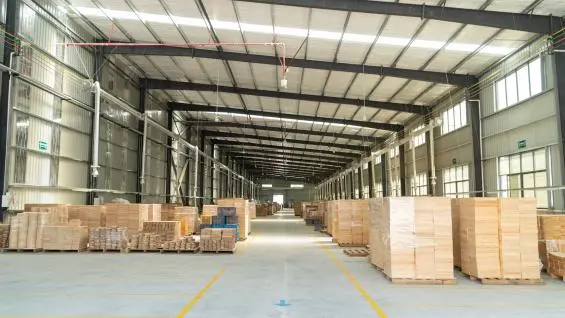
Specialty boards involve several production stages, including timber selection, moisture control, cutting, joint preparation, pressing, sanding, and surface finishing. End grain designs require additional block preparation and assembly compared with many standard edge grain formats. Each stage needs to be coordinated to maintain dimensional consistency and reduce visible defects.
HBD checks finished boards for dimensions, bonding, surface smoothness, and visible defects before packing. Material and finish requirements are reviewed according to the selected construction and intended application.
Food-contact suitability depends on the specific materials and finish used. FDA or LFGB-related test documentation should be confirmed against the applicable material, product configuration, and intended market rather than assumed to cover every design.
Customization for Different Product Programs
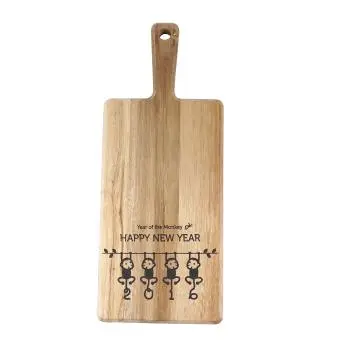
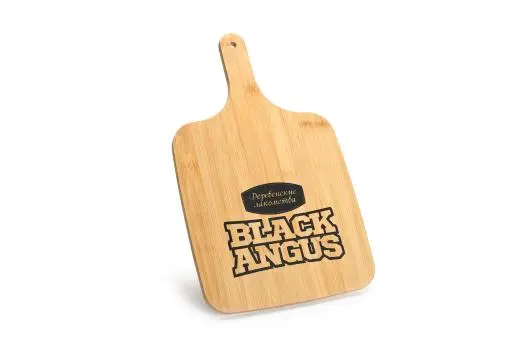
Specialty Cutting Boards can be developed with different dimensions, outlines, wood combinations, surface treatments, and branding details. Specifications can be discussed according to the intended use, packaging format, and product range.
- Dimensions and shapes: Rectangular, round, irregular, or project-specific outlines.
- Wood selection: Walnut, maple, acacia, and other suitable species, subject to availability.
- Construction: End grain, edge grain, mixed wood, or wood and resin combinations.
- Branding: Custom logo engraving and other agreed marking methods.
- Packaging: Specifications for retail, gift, or bulk shipment requirements.
For coordinated kitchenware collections, you can also explore our wooden gift set options. Custom product details can be discussed with the HBD team.
Frequently Asked Questions
1. What is the difference between end grain and edge grain cutting boards?
End grain boards have wood fibers oriented vertically at the cutting surface, while edge grain boards expose the long sides of the wood strips. Their appearance, assembly process, and material requirements are different.
2. Can different wood species be combined in one board?
Yes. Suitable wood species can be combined to create contrasting tones or patterns. Selection depends on material compatibility, moisture condition, and the required appearance.
3. Can Specialty Cutting Boards be made in custom shapes?
Custom outlines and dimensions can be discussed. Feasibility depends on the design, material, tooling, and production requirements.
4. Can a logo be added to the cutting board?
Logo engraving can be arranged according to the artwork, position, size, and wood surface. Artwork should be reviewed before production.
5. Are samples available before bulk production?
Sample production can be arranged to review the construction, dimensions, finish, and branding details. Sample timing depends on the design and material requirements.
6. What is the MOQ for custom cutting boards?
MOQ depends on the wood species, construction, dimensions, and customization level. Different styles and quantities can be discussed when planning an order.
7. How long does bulk production take?
The typical lead time provided for this range is around 60–75 days. The confirmed schedule depends on order quantity, material preparation, sample approval, and production specifications.
8. Can specialty boards be shipped with other cutting board styles?
Different cutting board styles can be discussed for combined shipment. Loading arrangements depend on quantities, packaging dimensions, and container capacity.
Discuss Your Specialty Cutting Board Requirements
Share your preferred construction, wood species, dimensions, logo requirements, and estimated order quantity. HBD can review the specifications and discuss suitable material and production options.
-
E-mail